
Handleless kitchens have become one of the most popular choices for modern homes, and their appeal shows no sign of slowing down in 2026. Clean lines, uncluttered surfaces and a calm, architectural feel make handle-less kitchens ideal for both contemporary and open-plan living spaces. While the look is often associated with ultra-modern design, today’s handleless kitchens are far more versatile, working beautifully across a range of layouts, finishes and lifestyles.
In this guide, we explore what defines handle-less kitchens, the different design approaches available, and how to plan a space that looks stylish while remaining practical for everyday use.
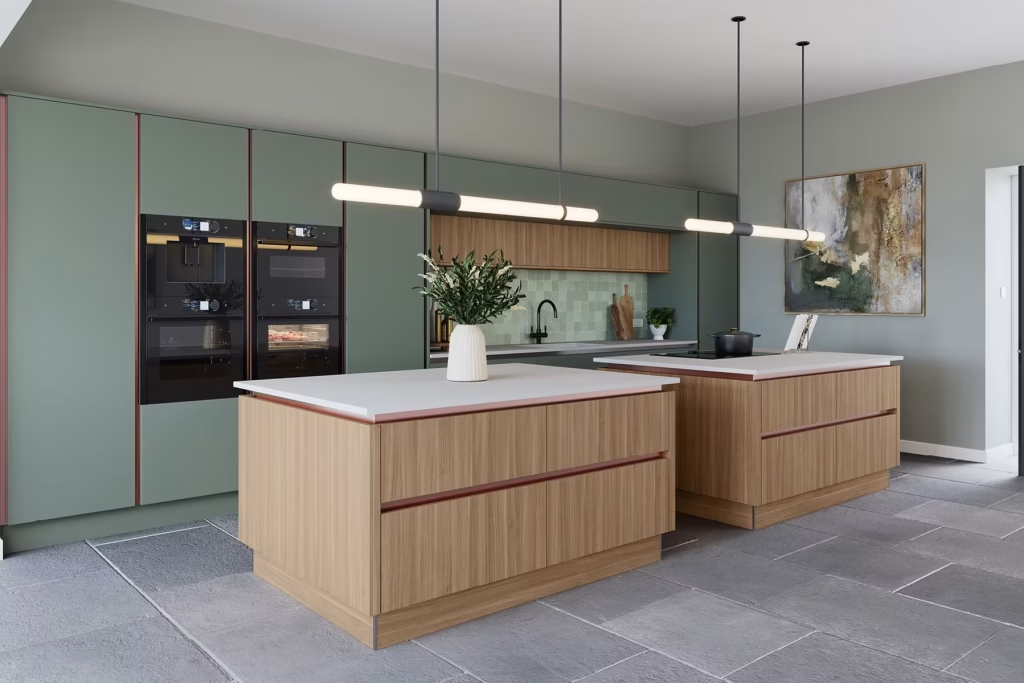
Textured Handle-less
A textured, handle-less kitchen range combining woodgrain and stone finishes with warm, neutral tones, perfect for creating a contemporary space with depth, character, and visual impact.
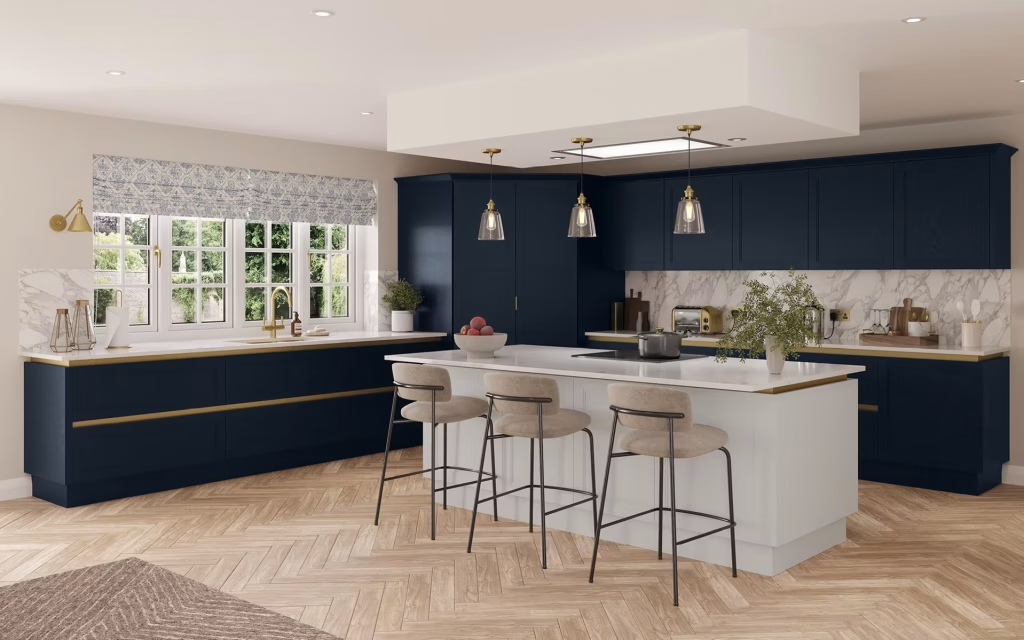
Painted Handle-less
Verona HL offers a contemporary take on shaker style with its slim, stepped frame and handle-less finish.

Gloss Handle-less
A handle-less gloss kitchen with clean lines and soft tones, Furore HL brings sleek, modern simplicity to any contemporary space.
What Are Handleless Kitchens?
Handle-less kitchens are exactly what the name suggests: kitchen units designed without traditional handles or knobs. Instead, they use integrated opening systems that allow doors and drawers to be opened discreetly, maintaining a smooth, streamlined appearance.
There are two main types of handleless kitchens commonly found in UK homes:
- True handleless kitchens, which use a continuous recessed rail (often called a J-profile or grip rail) built into the cabinetry
- Push-to-open kitchens, where doors open with a gentle push, supported by mechanical or electronic systems
Both options create a clean aesthetic, but they differ slightly in look, feel and practicality. Understanding these differences early on can help shape the ideal kitchen design for your space.
Why Handleless Kitchens Continue to Dominate in 2026
The popularity of handleless kitchens isn’t just about looks. In 2026, homeowners are placing more emphasis on simplicity, longevity and flexible living spaces, all of which align perfectly with handleless design.
One of the biggest advantages is visual calm. Without protruding handles, kitchens feel less busy, which is particularly valuable in open-plan layouts where the kitchen flows into dining and living areas. Handleless kitchens also age well, as they’re not tied to a specific handle trend that may date over time.
From a practical perspective, handle-less kitchens are easier to clean, with fewer nooks for dust and grease to collect. When designed properly, they also improve movement around the kitchen, especially in compact spaces or narrow layouts.
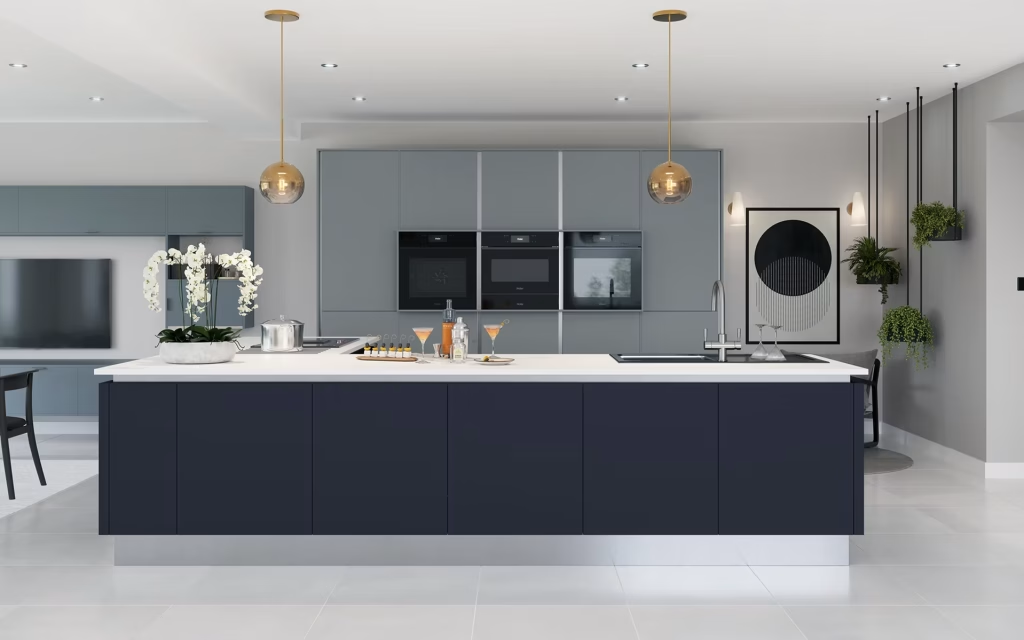
Make A Bold Blue Statement
Rich and refined, navy handleless kitchens bring depth to minimalist designs. Choose this bold hue to anchor an open-plan layout or create a striking contrast with pale worktops.
Choosing the Right Finish for Handle-less Kitchens
Finish plays a crucial role in how handleless kitchens look and feel. Because the design is minimal, the colour and material choices become even more important.
- Matt finishes remain a strong choice for 2026, offering a soft, contemporary look that absorbs light rather than reflecting it. Matt whites, greys and muted greens work particularly well in handleless kitchens, creating a refined, understated appearance.
- Gloss handleless kitchens are still popular where light reflection is needed, especially in smaller kitchens or spaces with limited natural light. High-gloss finishes enhance the sleekness of handleless cabinetry and can make a room feel larger.
- Natural textures, such as wood-effect finishes or timber veneers, are increasingly used to soften modern handleless kitchens. These finishes introduce warmth and contrast, preventing the space from feeling too clinical while retaining clean lines.
Handleless Kitchen Layout Ideas
Handleless kitchens are incredibly adaptable and suit a wide range of layouts. The key is to balance visual simplicity with functional workflow.
- Single-wall handleless kitchens work well in apartments or open-plan spaces, allowing the kitchen to blend seamlessly into the background.
- L-shaped handleless kitchens offer flexibility, providing ample storage while maintaining an open feel.
- U-shaped layouts maximise storage and worktop space, with handleless doors keeping the design from feeling enclosed.
- Island kitchens are where handle-less design truly shines. An uninterrupted island front creates a striking focal point, especially when paired with integrated appliances and concealed storage.


When planning layout, it’s important to consider how drawers and doors will be used daily, ensuring grip rails or push mechanisms are positioned comfortably and intuitively.
Practical Considerations for Handleless Kitchens
While handle-less kitchens are visually appealing, good design is essential to ensure they function well long-term.
Ergonomics matter. Grip rails should be positioned at a comfortable height, and drawer configurations should support natural movement when cooking and preparing food.
Finger marks are another consideration, particularly on darker or high-gloss finishes. Many modern handleless kitchens now use anti-fingerprint coatings, making maintenance much easier.
Integrated appliances are commonly paired with handle-less kitchens to maintain a cohesive look. Built-in ovens, dishwashers and fridge freezers help preserve clean lines while delivering modern performance.
Lighting also plays a vital role. Under-cabinet lighting, plinth lighting and internal drawer lighting enhance both usability and atmosphere, highlighting the sleek design of handle-less kitchens.
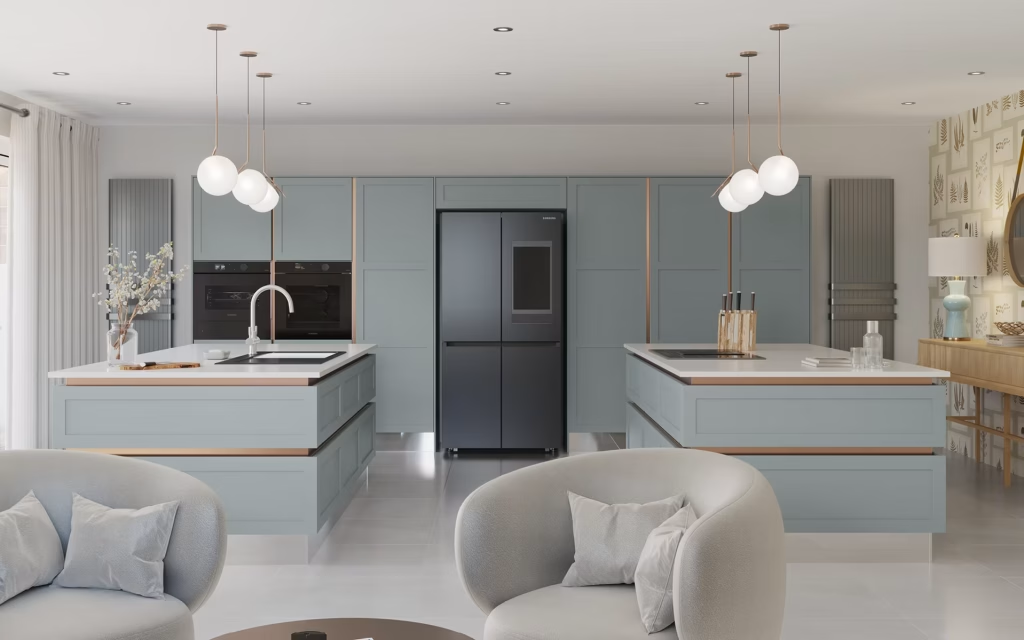
Are Handleless Kitchens Right for Your Home?
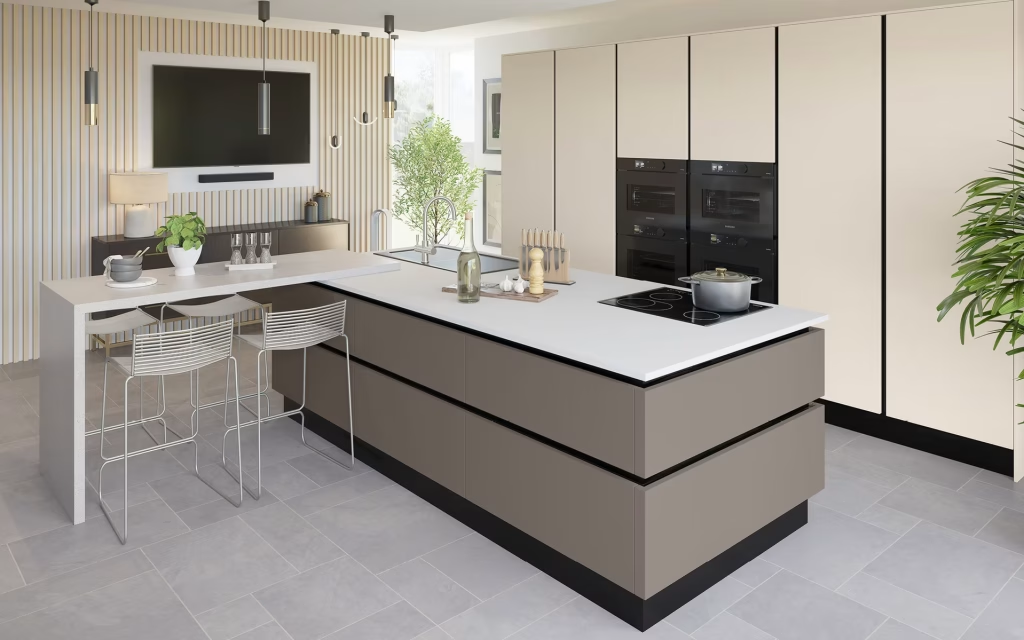
Handle-less kitchens are ideal for homeowners who value modern design, simplicity and a clutter-free environment. They work particularly well in contemporary homes, new builds and open-plan spaces, but with the right finishes, they can also complement more traditional architecture.
If you’re unsure whether a fully handleless kitchen is right for you, a mixed approach can work well. Combining handleless base units with subtly handled wall cabinets offers a balance of modern styling and practicality.
Exploring real-world examples can help you visualise what’s possible. Viewing a range of layouts, finishes and configurations makes it easier to identify what will work best in your own space.
Explore Handleless Kitchens in Our Catalogue
If you’re considering a handleless kitchen for your home, browsing a curated selection of designs is a great place to start. Our Handleless Kitchens catalogue showcases a range of styles, colours and layouts, helping you compare options and gather inspiration for your project.
Whether you’re planning a sleek modern kitchen or a softer contemporary design with natural textures, handle-less kitchens offer flexibility, longevity and timeless appeal.
Get In Touch With Our Team